# How Packaging Can Help Prevent Spills and Food Damage During Delivery
Food delivery has changed the way people enjoy restaurant meals. Customers want their food to arrive hot, fresh, and in good condition. But the trip from the kitchen to the customer's door can create many problems. Containers can tip over, sauces can leak, and delicate foods can lose their shape.
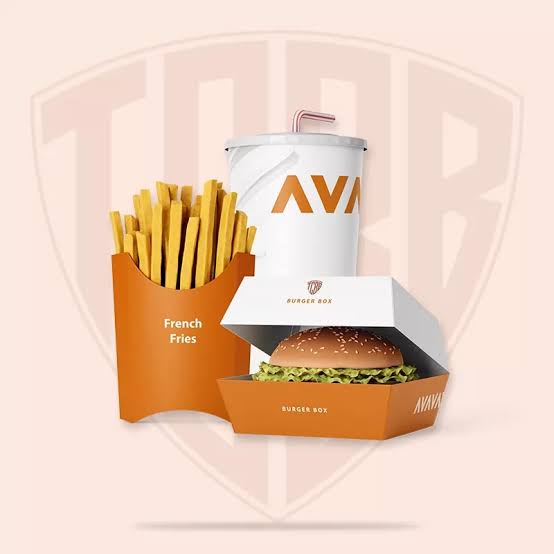
Good packaging can reduce many of these problems. For example, [custom fast food boxes](https://elixirpackaging.com/custom-fast-food-boxes/) can be designed around the size and type of food being served. The goal is not only to make a meal look neat but also to keep it protected during handling and transport.
## 1. Choose the Right Size
The size of a food container matters more than many restaurants realize. A box that is too large can leave too much empty space around the food. This gives the food room to move during delivery.
A box that is too small can crush the food or make it difficult to close properly. Both situations can lead to damage.
Restaurants should choose packaging that gives food enough room without leaving excessive space. A good fit helps keep the meal in place while the order is being carried.
## 2. Use Strong and Reliable Materials
Delivery packaging needs to handle movement, pressure, and changes in temperature. Weak materials can bend, tear, or lose their shape before the customer receives the order.
Strong paperboard and other suitable food packaging materials can provide better support. The right material also depends on the food. Heavy meals may need stronger containers than light snacks.
Restaurants should consider the weight, moisture, and temperature of each food item before selecting packaging.
## 3. Secure the Lids and Closures
A container may be strong, but it can still cause problems if the lid does not stay closed. Loose lids are a common reason for spills during delivery.
Containers should close firmly and remain secure when moved. Staff should check every lid before placing an order into a delivery bag.
Liquid foods need extra attention. Soups, gravies, sauces, and drinks should have closures that are suitable for liquids. A small leak can quickly affect the rest of an order.
## 4. Keep Liquids Separate
Liquid foods can create some of the biggest delivery challenges. A leaking sauce container can make other food wet and messy.
Restaurants can use separate containers for sauces, dressings, and gravies when needed. This keeps liquid away from foods that should remain crisp.
Separating liquids also makes the order easier to organize. Customers can add sauces when they are ready instead of receiving food that has already become soggy.
## 5. Prevent Food From Moving
Food can shift inside a delivery bag when the driver turns, stops, or travels over uneven roads. This movement can damage delicate items [and](https://pad.mytga.de/) cause containers to tip.
Packaging should help hold food in place. Compartments, fitted containers, and properly sized boxes can reduce unnecessary movement.
The way staff place items inside the delivery bag also matters. Heavy containers should not be placed on top of fragile foods. Keeping the order balanced can reduce pressure and movement.
## 6. Protect Food From Moisture
Moisture can change the texture of many foods. Fried chicken, fries, burgers, and other crispy items may become soft when steam gets trapped inside a container.
Packaging should allow restaurants to manage moisture properly. Some foods may need small ventilation areas, while others need packaging that provides a tighter barrier.
The right approach depends on the food. Restaurants should test packaging with real meals before using it for large numbers of delivery orders.
## 7. Consider Heat and Temperature
Customers expect hot meals to arrive warm. At the same time, too much trapped heat can create steam and affect food texture.
Packaging should match the type of meal being delivered. Insulated delivery bags can provide additional support for temperature control.
Restaurants should also avoid packing extremely hot and cold foods together when doing so could affect quality. Keeping different food types separate can help maintain better conditions during transport.
## 8. Pack Orders in a Smart Way
Even good packaging can fail if an order is packed carelessly. Employees should follow a simple packing process for every delivery.
Heavy items can go at the bottom, while lighter and more delicate items can be placed above them. Drinks should be kept upright and separated from foods when possible.
Staff should also check that the order contains the correct items before sealing the bag. A final inspection takes only a short time but can prevent avoidable problems.
## 9. Test Packaging Before Using It
Restaurants should not assume that packaging will work perfectly just because it looks strong. Testing can reveal problems before customers experience them.
A restaurant can prepare normal orders and move them around in the same way they might move during delivery. Staff can then check for leaks, crushed food, loose lids, and other issues.
Testing different box sizes and packing methods can also help restaurants find a better system for different menu items.
## Conclusion
Food delivery packaging has an important job. It needs to protect meals from spills, movement, pressure, moisture, and temperature changes. The right container size, strong materials, secure closures, and careful packing can make a noticeable difference.
Restaurants should also review their packaging as their menu or delivery service changes. Working with a reliable [custom box company](https://elixirpackaging.com/) can help businesses explore packaging options that fit different food types while keeping safety and customer experience in mind.